At Presto Music School, we believe great teaching adapts to the student, not the other way around. Every child learns differently, and music lessons can be one of the most effective ways to support a wide range of learning styles.
🧠 Learning Is Not One-Size-Fits-All
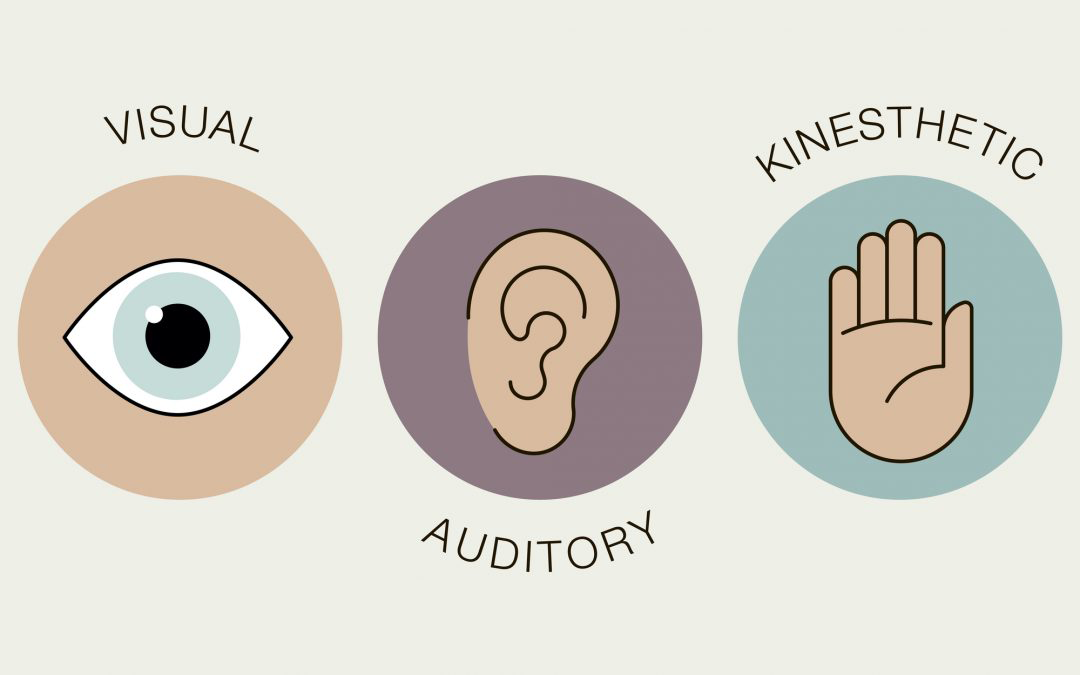
Some children learn by seeing, others by hearing, others by doing. Traditional classroom settings don’t always accommodate these differences, but music naturally does.
In a single lesson, students might:
• listen to a rhythm
• watch a demonstration
• physically play an instrument
• repeat patterns
• respond creatively
• listen to a rhythm
• watch a demonstration
• physically play an instrument
• repeat patterns
• respond creatively
This multi-sensory learning strengthens understanding and retention.
Music Supports Visual, Auditory and Kinaesthetic Learners
Visual learners benefit from notation, diagrams, colour coding, and demonstration.
Auditory learners thrive through listening, imitation, and sound recognition.
Kinaesthetic learners engage through movement, coordination, and hands-on playing.
Auditory learners thrive through listening, imitation, and sound recognition.
Kinaesthetic learners engage through movement, coordination, and hands-on playing.
Because music combines all three, students often succeed in music even when they struggle in traditional academic environments.
Confidence Grows When Teaching Fits the Child
When lessons match how a student learns best, something important happens. Frustration decreases. Engagement increases. Confidence builds.
Students who may feel “behind” elsewhere often experience success in music because progress is personalised and visible.
Inclusive Teaching Means Thoughtful Lesson Design
True inclusion is not just welcoming students into the room. It is designing learning so they can participate fully once they arrive.
That means:
• flexible pacing
• varied teaching approaches
• achievable goals
• supportive feedback
• structured progress
• flexible pacing
• varied teaching approaches
• achievable goals
• supportive feedback
• structured progress
When teaching is inclusive, every student has a pathway forward.
Music Builds Skills Beyond Music
Parents often notice changes that go far beyond instrumental ability:
• improved concentration
• stronger memory
• better emotional expression
• increased resilience
• pride in achievement
• improved concentration
• stronger memory
• better emotional expression
• increased resilience
• pride in achievement
Music becomes a tool for growth, not just a subject.
Supporting Every Student’s Musical Journey
Every learner deserves teaching that helps them succeed. When lessons adapt to the student, progress becomes possible for everyone.
👉 Interested in lessons designed around how your child learns?
Book a free trial lesson and experience the difference.
Book a free trial lesson and experience the difference.